


AI in Betting: Transforming Wagering Strategies
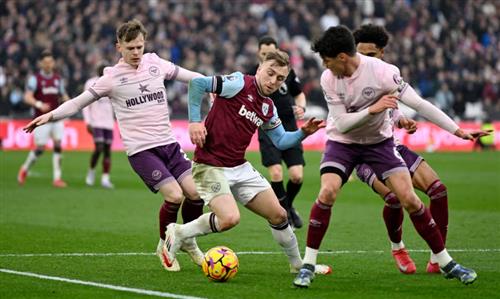
In today’s dynamic gambling landscape, AI in betting is revolutionizing how enthusiasts approach wagers by harnessing vast datasets and sophisticated algorithms for superior outcomes.
Understanding AI in Betting
AI in betting refers to the application of artificial intelligence technologies, including machine learning and predictive analytics, to analyze historical data, player statistics, and market trends. This enables bettors to make informed decisions rather than relying on intuition alone.
Key Applications of AI in Betting
Predictive Analytics for Sports Events
AI models process millions of data points from past games, weather conditions, and team performance to forecast results with high accuracy. For instance, in football betting, these systems can identify undervalued odds that traditional methods overlook.
Risk Assessment and Management
Advanced AI tools evaluate betting patterns to minimize losses by suggesting optimal stake sizes and diversification strategies across multiple events.
Benefits and Practical Tips
Adopting AI in betting offers numerous advantages such as increased win rates and time efficiency. Practical tips include starting with reputable AI platforms for simulations, combining AI insights with personal research, and setting strict bankroll limits to maintain discipline.
| Aspect | Traditional Betting | AI-Enhanced Betting |
|---|---|---|
| Data Analysis | Manual review of stats | Automated real-time processing |
| Prediction Accuracy | 50-60% average | Up to 75% with models |
| Risk Management | Intuitive decisions | Algorithmic recommendations |
Considerations and Expert Insights
While powerful, AI in betting requires users to understand its limitations, such as potential data biases. Experts recommend continuous learning and using AI as a supportive tool rather than a guarantee. Always verify outputs against current events for best results.
Summary: AI in betting empowers smarter wagering through data-driven insights, offering benefits like improved predictions and risk control while urging cautious, informed application for long-term success.
Where to Buy? Who is Playing?

